

Octubre 19, 2026

Noticias

Inicio desactivadoInicio desactivadoInicio desactivadoInicio desactivadoInicio desactivado

Today is the 64th anniversary of the arrest of Freedom Rider Byron Baer, a longtime New Jersey legislator charged with attempting to desegregate a blacks-only waiting room at the Greyhound bus terminal in Jackson, Mississippi.

He spent 45 days in jail, mostly at the fabled Parchman State Prison.  Baer chose jail time instead of paying a $200 fine.  Knowing he would get arrested, Baer smuggled a miniature radio past Mississippi prison guards by putting the radio parts into a condom and hiding it in his rectum.

Baer had a long history as a civil rights leader and served 34 years as a Democratic assemblyman and state senator representing Bergen County before stepping down for health reasons in 2005.  His story is one that people in New Jersey politics ought to remember.

Police mugshot of Byron Baer, arrested on July 29, 1961, for attempting to desegregate a bus station waiting room in Jackson, Mississippi.

On July 29, 1961, Baer was one of ten riders who took a bus from Nashville to Jackson and went directly into the waiting room.  Police ordered them to leave and forcibly removed them when they refused.

Three days later, a Mississippi court sentenced Baer and his fellow Freedom Riders to 45 days in jail.

Baer was a 31-year-old special effects technician in the film industry.  One of his early movies was The Brain That Wouldn’t Die, about “a doctor experimenting with transplant techniques keeps his girlfriend’s head alive when she is decapitated in a car crash, then goes hunting for a new body.”

He became one of the Freedom Riders, a group of young activists who rode interstate buses to protest racial discrimination and test local laws.  His widow, former Bergen County Freeholder Linda Pollitt Baer, told the New Jersey Globe that Baer’s grandparents had emigrated from Germany and helped family members get out just as Nazism began to rise, and that he felt obligated to play a role in the civil rights movement.

Baer had learned that men were strip-searched on their way into prison, but that the guards did not conduct body cavity searches.

“Byron was able to smuggle in an amazing variety of stuff. He had onion skin paper, pencil leads, strong thread wrapped around a toothpick or wooden matchstick, very fine pins, and a piece of a razor blade,” wrote Rick Sheviakov, who was arrested with Baer and was his cellmate at Parchman. “These were all wrapped in tinfoil gum-wrappers which he placed between his cheeks and gums — upper and lower on both sides.”

Sheviakov recalled that Baer purchased a pair of glasses with a built-in hearing aid in Nashville.

Wollcott Smith, another Freedom Rider arrested and jailed with Baer, said the transistor the future senator built was “close to state-of-the-art for 1961.

“It was totally homemade – an earpiece, a very thin, twenty-foot-long wire for the aerial, and the transistor circuits and a hearing-aid battery embedded in a smooth, oblong piece of plastic,” Wollcott recalled in a book about the Freedom Riders.  “So in broad daylight, two of us would walk around, hands high in the air, with this thin wire stretched between us.  The guards at the far end of the long room could only see two prisoners doing some strange dance or pantomime.”

Former Assembly Speaker Alan Karcher used to say that while many legislators went from Trenton to prison, Baer was the one who arrived in the Legislature after already serving a jail term.  Linda Baer gave Karcher that talking point, the Globe has learned.

Baer made frequent trips to the South in the 1960s.  As a leader in the Congress for Racial Equality (CORE), he once led about 30 Bergen County activists at a demonstration in Baltimore to protest a whites-only restaurant called The Snow White.  He went to Tennessee to register rural black voters who helped Albert Gore, Sr. win re-election to the U.S. Senate in 1964.

He was present for Martin Luther King Jr. ’s “I Have a Dream” speech during the 1963 March on Washington and participated in the Selma-to-Montgomery March in 1965.  King called on Baer, the former special effects man, to help him with the lighting when he addressed the media.

At home in Englewood, Baer was part of a movement to desegregate the local public schools and fought for fair housing in the city.  When Arnold Brown (D-Englewood) became the first black assemblyman from Bergen County in 1965, he hired Baer as his legislative aide.

In 1969, when the Legislature drew new district maps following the U.S. Supreme Court’s One-Man, One-Vote ruling, Baer worked with Assembly Democrats and drew district maps by hand.

During his second term in the Assembly, in 1974, Baer visited a migrant workers’ camp in Gloucester County to conduct a surprise inspection at the Rosario Sorbello & Son farm.

The foreman, Marcos Portalatin, who outweighed the assemblyman by about 125 pounds and was five inches taller, took a five-foot piece of board and hit Baer, breaking his arm in three places.  He was lucky he used his arm to block Portalatin from hitting his skull.

A Star-Ledger photographer, Tom Hurd, was also injured in Portalatin’s attack.

Portalatin used the board to break the windshield and windows of Baer’s car.

Sorbello filed trespassing charges against Baer and Charles Q. Finley, a Star-Ledger reporter. They were both arrested and later acquitted after a trial in the Clarksboro Municipal Court.

A state jury acquitted Portalatin of assault charges, a verdict Baer never entirely understood.

An investigation by the U.S. Attorney led to slavery charges against Portalatin, who was accused of mistreating the workers.  He was later acquitted.

The incident won national attention and caused federal and state prosecutors to review the way New Jersey’s 20,000 migrant workers were being treated.   By the end of 1974, the Assembly approved Baer’s bill to make farmers responsible for the workers on their farms.

In the 1980s, Baer was arrested in New York for protesting apartheid in South Africa, along with Karcher and Assemblyman Willie Brown (D-Newark).

Baer was immortalized in New Jersey as the author of the sunshine law, now officially known as the Senator Byron M. Baer Open Public Meetings Act.

A chess set made out of bread by Byron Baer while jailed at Mississippi’s Parchman State Penitentiary in 1961. Baer used coffee to make the darker pieces.

How Baer got to Trenton

Baer was elected to the State Assembly in 1971 to represent a newly drawn eastern Bergen County district anchored by Englewood, Fort Lee, and Teaneck.

A Democratic screening committee chose Baer and running mate Albert Burstein over former Fort Lee Board of Education President Abraham Safro, Cresskill Democratic Municipal Chairman Charles Dadaian, and Michael Silver, who had lost a bid for East Bergen Assembly District Chairman in 1969.

Assemblymen Albert Burstein left, and Byron Baer in 1977.

Baer ran 327 votes ahead of Burstein, who defeated Bergenfield Mayor Charles (Bill) O’Dowd by 2,332 votes.  Tenafly councilman Ken Bloom finished fourth.

Legislative districts were again redrawn in 1973, creating the new 37th district.  Democrats ran Matthew Feldman, the Bergen County Democratic Chairman who had served as a state senator from 1966 to 1968, against incumbent State Sen. Joseph Woodcock (R-Cliffside Park), while Burstein and Baer sought second terms in the Assembly.

In a rematch with O’Dowd in 1973, Baer won by 14,989 votes.  Feldman ousted Woodcock by 11,166 votes, a 59%-41% margin.

Baer remained in the Assembly until Feldman retired in 1993.  He won the organization line by one vote, 154 to 153, at the Bergen County Democratic Convention against Englewood Mayor Donald Aronson.

Aronson decided to challenge Baer in the primary.  Baer beat him by 2,131 votes, 60%-40%.  He won the general election by 13,573 votes, 60%-38%, against former Hackensack Councilman Mauro Mecca.

He won a second term in the Senate in 1997 by 10,301 votes, 59%-39%, against Bogota Mayor Steve Lonegan.  Baer was re-elected with 66% of the vote in 2001 against Teaneck attorney Jonathan Bender and 62% in 2003 against Barry Honig, a businessman from Tenafly.

Citing poor health, Baer resigned from the Senate in September 2005.  His successor was Assemblywoman Loretta Weinberg (D-Teaneck).|

How Baer was almost a congressman

In 1976, Baer came excruciatingly close to winning a congressional seat in a race that may have been stolen from him.

The congressman from the 9th district was Henry Helstoski, a six-term Democrat with a trademark crew cut who made his mark as an opponent of the Vietnam War. Helstoski was the 39-year-old Mayor of East Rutherford when he defeated a nine-term Republican incumbent, Frank Osmers, by 2,428 votes in the 1964 Democratic landslide.

Amidst the violence of the 1968 Democratic National Convention, Helstoski turned his Chicago hotel room into an infirmary for McCarthy delegates and volunteers who were injured during the anti-war demonstrations. He ran for Governor in 1969, becoming a candidate just thirty minutes before the filing deadline, and finished second in the Democratic primary for Governor.

In 1975, Helstoski became the target of a federal corruption investigation that lasted two years and spanned four grand juries. In April 1976, his brother was convicted of filing a false income tax return, and his chief of staff pleaded guilty to extortion charges.

Sensing the incumbent’s vulnerability, Baer challenged Helstoski in the Democratic primary. Helstoski received the organization line in Bergen County; in Hudson County, where 35% of the voters lived, Democratic County Chairman Bernard Hartnett (a reformer allied with Mayor Paul Jordan) gave the line to Baer.

Helstoski was indicted on charges of extorting $8,375 from illegal aliens from Chile and Argentina in exchange for sponsoring special legislation to allow them to remain in the United States on the Thursday before the primary. He was also accused of obstruction of justice, giving false testimony before a grand jury, and conspiring to influence other witnesses to lie. Helstoski steadfastly denied each allegation, saying that the charges were politically motivated.

In an NBC debate on Sunday, Baer hit the incumbent hard, saying that if Democrats went with Helstoski, they would be handing the seat over to the Republicans.

Election Day, they provided one of the closest races in New Jersey political history. Helstoski outpolled Baer by 106 votes, 18,547 to 18,441. A third candidate, Fairview attorney Robert Mauro, received 4,377.

In post-election developments, Helstoski watched his margin grow, thanks to the support of some old-fashioned machine politicians in North Bergen and Union City (including Mayor/State Sen. William Vincent Musto), who came up with 1,642 additional absentee ballots for Helstoski and only 79 more for Baer.

Allegations of fraud surfaced quickly, and Hudson County Superintendent of Elections Jerome Lazarus, a Hartnett ally, ordered the impounding of the absentee ballots. As Lazarus was impounding the Hudson County votes, Helstoski was in Federal Court for a 10 AM arraignment.

Baer maintained that the Hudson results were fraudulent and quickly challenged the election in court. Baer said that irregularities in the absentee ballots included erasures and similarities in handwriting.

David Wildstein Collection


The challenge lasted well into the summer. Baer picked up 200 votes on June 24 when Superior Court Judge Thomas O’Brien ordered a recount of voting machines in North Bergen. On August 11, more than two months after the primary, Superior Court Judge John Marzulli ordered a new primary election to be held on September 21. Helstoski willingly agreed to the new election, partly out of fear that the Judge was prepared to disqualify enough votes to certify Baer as the winner.

Meanwhile, the disarray of the Democratic primary was good news for Republicans. Their candidate was Harold Hollenbeck, a 37-year-old attorney who served four years in the Assembly and two in the State Senate before the Watergate scandal helped Democrats sweep Bergen County three years earlier.

Despite the indictment, Helstoski mounted an aggressive campaign for re-election, and in the September 21 rerun of the congressional primary, he won a decisive 55%-45% victory over Baer. 35,313 Democrats voted in the unprecedented do-over of the Democratic primary — a turnout 43% heavier than the June primary and included a critical presidential primary where New Jersey’s votes made a difference. Helstoski won because Democratic machines in North Bergen and Union City delivered large pluralities, while Baer’s constituency in the eastern part of Bergen County did not deliver.

The indictment and two primaries against Baer took their toll on Helstoski, and he lost the general election to Hollenbeck by a 54%-46% margin.

The U.S. Supreme Court ruled that the legislation he sponsored could not be used against him, and Helstoski never was tried on the bribery charges. He tried twice to regain his seat in Congress, winning just 13% as an independent in 1978 and losing the 1980 Democratic primary to Gabe Ambrosio. In 1981, he became the North Bergen Superintendent of Schools.

Byron Baer died on June 24, 2007.  He was 77.

The post Freedom Rider Byron Baer spent 34 years in the NJ legislature — and 45 days in a Mississippi prison appeared first on New Jersey Globe.

Leer más

Inicio desactivadoInicio desactivadoInicio desactivadoInicio desactivadoInicio desactivado
https://newjerseyglobe.com/wp-content/uploads/2025/07/Prosecutor-Arrested-for-DWI-After-Celebrating-her-30th-Birthday-at-a-Bar-1.mp4

After celebrating her 30th birthday in March, Assistant Essex County Prosecutor Bryashia Atchison was arrested for drunk driving after Edgewater police found her passed out in a parking lot with her car driven over a curb.

Atchison told police officers that she’d been drinking in Edgewater before being questioned around 8:20 PM on Saturday. March 8, and seemed surprised to learn she was still there – she thought she might be in Newark.

“You kind of told me something just now that’s a little alarming, so I have to perform some tests on you,” Patrolman Evan Bringas told Atchison.  “You kind of just admitted to me that you were drunk.”

The video of the arrest was released by Transparency Bodycam.

A tearful prosecutor told police officers, “I don’t want to drive.  I just want to go home.”

“ We’re a little past that right now, unfortunately,” Bringas told her.  “Standing close to you, I smell alcohol on you.”

Atchison begged police officers to allow her to call the father of her young son.  Three sources with knowledge of the situation have identified that man to be NFL safety Jabrill Peppers.

“I don’t have anyone,” she said.  “You guys have each other.  I don’t have anyone.”

“We’re not doing anything to you,” Patrolman Tyler Iafelice told her.  “Your car is on the curb, and you just admitted to us that you were drinking and driving, so we have to try to perform some tests on you.”

Assistant Essex County Prosecutor Bry Atchison. passed out on the ground on March 8, 2025. (Photo: Edgewater Police Department via Transparency Bodycam).

Atchison said she wasn’t experiencing any medical problems, but vomited in the patrol car on the way to the Edgewater police department.

She did not identify herself as a prosecutor; the patrolman discovered her badge after she’d arrived at the station.

Prior to moving to New Jersey, Atchison was a cheerleader for the Cleveland Cavaliers, crowned Miss Greater Cleveland 2015, competed in the Miss Ohio pageant, and worked as a legal extern in the U.S. Attorney’s office in Newark.

Atchison served as a Superior Court law clerk in Essex County for one year before she became an assistant prosecutor in September 2021.

The prosecutor’s office did not disclose Atchison’s arrest more than four months ago, and only did so reluctantly today.

“Assistant Prosecutor Bryashia Atchison remains employed by the Essex County Prosecutor’s Office. Ms. Atchison self-reported an incident that occurred in March, and we are monitoring the matter closely.  Appropriate adjustments have been made to her case assignments as warranted,” said Carmen Martin, a spokesperson for the prosecutor’s office.  “While we cannot comment on personnel-related administrative matters, any administrative action, if necessary, would be taken after the case has been adjudicated.”

Martin had initially refused any comment, suggesting that the New Jersey Globe ask questions through the Open Public Records Act process.

Still, the prosecutor’s office doesn’t hesitate to make statements involving those they accuse of crimes.

The New Jersey Globe contacted Atchison on her office phone and on her cell phone.  She hung up both times.  The charges against her remain pending.

Atchison is not the first public official to deal with drunk driving charges.

The New Jersey Supreme Court publicly reprimanded Justice Robert Clifford, who was convicted of drunk driving in 1989.  The court said that ”a public reprimand is essential both to vindicate the interests of the judiciary and to maintain the public’s confidence in it.”

Princeton police had stopped Clifford for driving while intoxicated; he refused a Breathalyzer test and was taken to the local police station. He later pleaded guilty and lost his license for one year.

Clifford served on the New Jersey Supreme Court from 1973 until his retirement in 1994.  He was arrested again for drunk driving in 2000 after his car collided with a small bridge in Bernards Township, where he lived.  Since a decade had passed since his first DUI, state law allowed him to be treated as a first-time offender.

Since 2005, twelve New Jersey judges have faced DUI/DWI charges, court records show.

State Sen. Robert Martin (R-Morris Plains) was arrested for drunk driving and pleaded guilty in 2005.  He lost his license for three months and was able to keep the charges out of public view for nearly a year.

The news about Martin came out after he defended Attorney General Zulima Farber on issues related to her own driving record.  Martin, a Seton Hall law professor and longtime municipal prosecutor, won one of four Republicans to vote to confirm Farber’s nomination

In a “do you know who am I am?” moment, Farber got in trouble in 2006 after her boyfriend, former Assembly candidate Hamlet Goore, was stopped in Fairview for driving an unregistered vehicle.  Driven by a New Jersey State Trooper, Farber arrived at the scene, and coincidentally, tickets were withdrawn, and police declined to impound the car.

A special investigation found that Farber did not violate any laws or ethical rules, but the incident became politically tricky for Gov. Jon Corzine, and she resigned.

The post Essex prosecutor arrested for drunk driving still trying cases appeared first on New Jersey Globe.

Leer más

Inicio desactivadoInicio desactivadoInicio desactivadoInicio desactivadoInicio desactivado

image

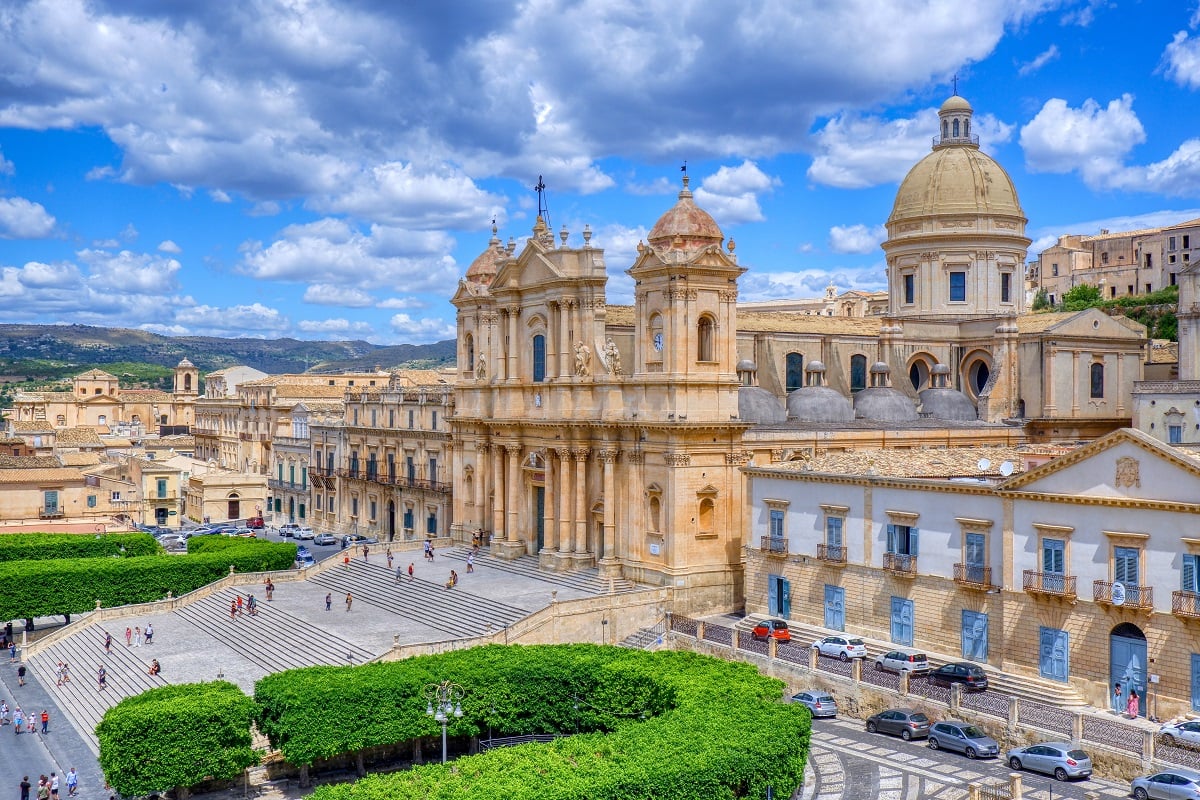
A Noto, ogni terza domenica di maggio, l’appuntamento con l’Infiorata è un momento molto atteso e partecipato. Eppure la manifestazione non ha una storia antica alle spalle: introdotta solo nel 1980, la tradizione è stata in realtà importata da Genzano, località alle porte di Roma che dal Settecento allestisce un tappeto floreale lungo il percorso della processione religiosa del Corpus Domini.

La storia dell’Infiorata. Da Genzano a Noto

È probabile, infatti, che l’origine delle infiorate – diffuse all’epoca in tutta l’area dei Castelli Romani – sia da ricondurre alla realizzazione degli apparati barocchi seicenteschi per le celebrazioni religiose in San Pietro, quando l’idea di creare quadri per mezzo di fiori e petali che imitassero mosaici variopinti doveva essere particolarmente affine al gusto per la meraviglia ricercato negli allestimenti effimeri del tempo. In città, la tradizione ebbe vita breve, abbandonata già alla fine del Seicento. Ma Genzano la riprese per farne una festa calendarizzata con regolarità, salvo alcuni periodi di interruzione nell’Ottocento e, più tardi, durante la Seconda guerra mondiale. La realizzazione dei quadri richiede cura nella realizzazione dei cartoni (tradotti tramite spolvero sulla pavimentazione stradale) e tempestività per la deperibilità dei fiori utilizzati. E dunque solo lo scambio con artisti dell’Infiorata di Genzano, 45 anni fa, ha permesso alla cittadina di Noto di far propria la tradizione, poi sviluppata secondo caratteristiche peculiari al contesto, con disegni sempre più grandi e complessi che tappezzano Via Corrado Nicolaci (dove si affacciano gli incredibili balconi barocchi, attrazione imperdibile della città) per pochi giorni, attirando visitatori da tutta Italia e dal mondo. Per l’occasione, anche le scalinate di Noto alta sono decorate con disegni e lavori d’arte. 

Il tema dell’Infiorata di Noto 2025

Nel 2025, l’Infiorata di Noto si terrà dal 16 al 20 maggio, proponendo il tema La Pace si fa Arte, sotto la direzione artistica di Valentina Mammana. La realizzazione dei 16 bozzetti inizierà nel pomeriggio del 16 maggio e il tappeto sarà pronto per le visite dal giorno successivo fino a martedì 20: grazie a un nuovo sistema di irrigazione, infatti, dal 2024 le opere floreali possono conservarsi più a lungo. La vera novità dell’edizione alle porte, però, consiste nell’organizzazione di una Fuori Infiorata, manifestazione satellite concepita sul modello del più celebre Fuori Salone milanese con l’idea di ampliare il raggio d’azione della rassegna, valorizzando il tessuto urbano e culturale della città con l’intervento dell’arte contemporanea in dialogo con il patrimonio storico di Noto. 

2023milanopalazorealeph daniela pellegrini la pace preventiva5192 1 1 Arriva anche l’arte contemporanea all’Infiorata di Noto, una delle feste tradizionali più famose di Sicilia
Michelangelo Pistoletto, Palazzo Reale, Milano 2023. Ph: Daniela Pellegrini

La prima edizione della Fuori Infiorata di Noto

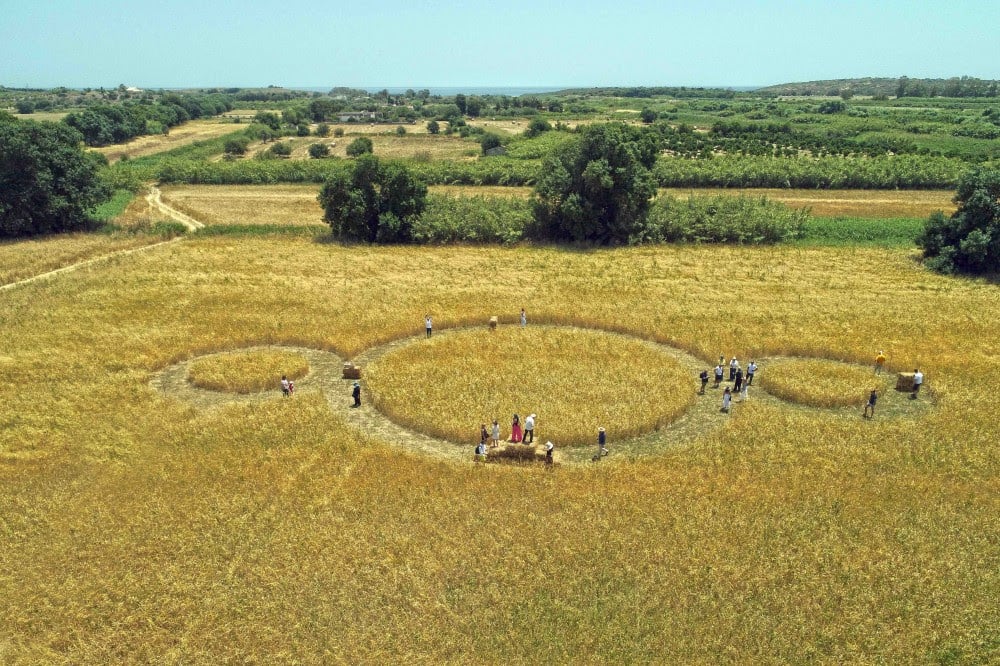
Ideata e diretta da Alessia Montani e Luigi Grasso – imprenditori culturali e fondatori del Parco dell’Anima e del Consorzio AVASIM-MAMA.ART- MAMA.SEEDS – con la curatela di Andrea Guastella, la Fuori Infiorata si terrà dal 17 al 20 maggio tra luoghi pubblici e privati, molti dei quali aperti per l’occasione, coinvolgendo anche altre destinazioni del Val di Noto, e mettendo in relazione artisti, artigiani, designer. Tra gli spazi interessati: il piano nobile del settecentesco Palazzo Trigona di Canicarao, la Loggia del mercato, le Cantine Barone Sergio, il Lido di Noto e lo stesso Parco dell’Anima inaugurato nel 2020 nei terreni agricoli del resort Zahir Country House, come museo d’arte contemporanea a cielo aperto concentrato sui temi dell’ecologia e della biodiversità.

listallazione di pistoletto al parco dellanima nel 2019 Arriva anche l’arte contemporanea all’Infiorata di Noto, una delle feste tradizionali più famose di Sicilia
L’istallazione di Pistoletto al Parco dell’Anima nel 2019

I luoghi e gli artisti della Fuori Infiorata 2025

Gli artisti coinvolti sono stati chiamati a presentare opere inerenti al tema dell’Infiorata 2025. Ci sarà Michelangelo Pistoletto, con la sua Colomba della Pace 2015-2023, opera che introduce il concetto di “pace preventiva”, realizzata per l’occasione dai maestri infioratori dell’Associazione CulturArte Noto ed esposta a Largo Rattazzi, che nei giorni dell’evento sarà rinominata Piazza della Pace e della Solidarietà. E poi gli scultori Fulvio Merolli, Alessia Forconi e Filippo Tincolini, che realizzeranno opere site-specific in dialogo con gli scenari della città barocca: la Fenice di Merolli, a Piazza Municipio; Penelope, scultura fatta di materia e piante di edera rossa da Forconi, a Largo Landolina; Spaceman Shine di Tincolini, ideale mascotte della Fuori Infiorata. Alla Loggia del Mercato saranno invece esposte le opere di Davide Bramante dalla serie Compagni di strada – Ritratti di gratitudine; Francesco Palazzolo e Toni Campo interverranno con un’installazione site-specific negli spazi di Loreto Interni, mentre Andrea Parisio presenterà un’installazione inedita tra i vigneti delle Cantine Barone Sergio. Al Parco dell’Anima, si aggiungerà al percorso tra la collezione permanente (con opere di Chicco Margaroli, Titti Garelli, Irem Incendayi, Domenico Pellegrino, Giulio Rigoni, Mariano Franzetti, Fulvia Morganti, Paola Romano, Toni Campo) la scultura Queen of the Jellyfishes, La Regina delle Meduse di Rosa Mundi. Palazzo Trigona di Canicarao ospiterà invece la mostra collettiva Neppure con un fiore dedicata alla poetessa netina Mariannina Coffa, pioniera della lotta per i diritti delle donne. In esposizione opere di Salvatore Anelli, Gianluca Balocco Moor, Salvo Barone, Luigi Citarrella, Alessandro Gedda, Giacomo Lo Verso, Guglielmo Manenti, Danila Mancuso, Fulvia Morganti, Alida Pardo, Francesco Pennacchi, Rossella Pezzino de Geronimo, Stefania Pennacchio, Eleonora Rossi e Nicholas Peal. Completano il programma attività collaterali come talk, visite guidate e percorsi nella natura, compreso l’appuntamento per cicloturisti Aspettando l’Infiorata – Bici in fiore.
Livia Montagnoli

L’articolo "Arriva anche l’arte contemporanea all’Infiorata di Noto, una delle feste tradizionali più famose di Sicilia" è apparso per la prima volta su Artribune®.

Leer más

Inicio desactivadoInicio desactivadoInicio desactivadoInicio desactivadoInicio desactivado

image

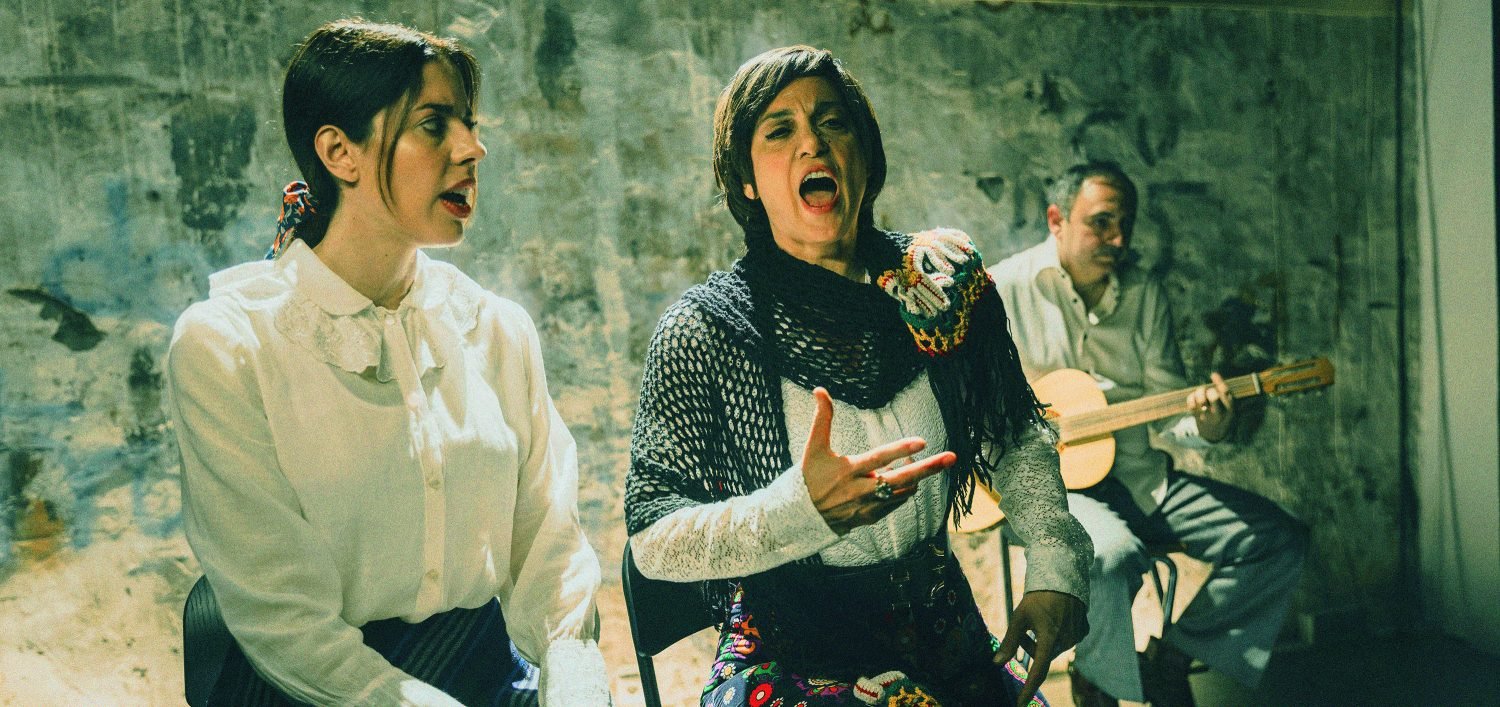
“Non lo sapete quanto vi amo. Non lo sapete quanto vi desidero. Non lo sapete come piango e come mi sento. Quando per un solo momento non vi vedo. Dentro la mia anima ho una vampa. E il mio cuore è vostro, non mio. Quando morirò non andrò in Paradiso. Perché per amare voi ho dimenticato di amare Dio”: è questo parte del testo – tradotto in italiano dal dialetto siciliano – del brano L’amuri ca v’haju (L’amore che ho per voi) di Rosa Balistreri, che dà il titolo al film di Paolo Licata.

L’Amore Che Ho – La storia di Rosa Balistreri: il film che mancava

“In noi cantanti della mia terra c’è una parte di lei”, ha affermato Carmen Consoli, che firma la colonna sonora del film – oltre ad interpretare il ruolo di Alice – e che ha sempre dichiarato la sua profonda ammirazione per Balistreri.
Sebbene la cantautrice sia un nome nel panorama musicale siciliano, della sua storia si conosce poco. La pellicola di Licata getta così luce su “i drammi e le gioie vissuti da una delle leggende della canzone popolare siciliana, Rosa Balistreri”, recita la sinossi ufficiale. “Una donna intensa, violenta, fragile e indistruttibile, pronta ad affrontare qualsiasi sacrificio per la sua causa, per la difesa dei diritti dei più deboli, dei lavoratori, delle donne abusate e ignorate, e per andare contro qualsiasi prevaricazione”.

Rosa Balistreri: cantante popolare e simbolo di emancipazione

Ma chi era Rosa Balisteri? Nata a Licata il 21 marzo 1927, in una famiglia modesta, tentò l’uccisione del marito, sposato con un matrimonio combinato. Scontata la pena a Palermo, trovò lavoro come custode nella Chiesa di Santa Maria degli Agonizzanti, dove fu molestata dal parroco. Scappò allora a Firenze con il fratello e una sorella che, raggiunta dal marito, fu uccisa.
Rosa conobbe allora il pittore Manfredi Lombardi, con cui visse più di un decennio e che la presentò ad artisti quali Mario De Micheli, Ignazio Buttitta, Dario Fo. Fu molto apprezzata per le sue doti canore, tanto che Fo la volle nel suo spettacoloCi ragiono e canto. Nel 1974 partecipò anche a Canzonissima, distinguendosi per la sua voce graffiante e l’intensa interpretazione.
Il 21 marzo 2024, la casa natale di Rosa Balistreri, in via Martinez 42, è stata aperta al pubblico e trasformata in un museo: qui sono esposti libri, fotografie, dischi e filmati d’archivio che raccontano l’avventurosa vita di questa orgogliosa siciliana.

Il film “L’amore che ho”

Dopo il documentario Rosa Balistreri – un film senza autore prodotto e trasmesso nel 2017 da Rai Storia, L’amore che ho è il primo film vero e proprio dedicato alla cantante. Ad interpretarla sul grande schermo nelle diverse età sono Lucia Sardo, Donatella Finocchiaro, Anita Pomario e Martina Ziami, ma nel cast sono presenti tra gli altri anche Tania Bambaci e Vincenzo Ferrara.
Presentato al 42° Torino Film Festival, L’amore che ho è dall’8 maggio al cinema distribuito da Wanted e, ci scommettiamo, porterà alla ribalta la musica viscerale di una donna del Sud, che non ha avuto paura di sfidare le regole che ancora oggi attanagliano la nostra società.
Roberta Pisa

L’articolo "L’amore che ho – La storia di Rosa Balistreri: al cinema il film dedicato alla cantante popolare siciliana" è apparso per la prima volta su Artribune®.

Leer más

Inicio desactivadoInicio desactivadoInicio desactivadoInicio desactivadoInicio desactivado

image

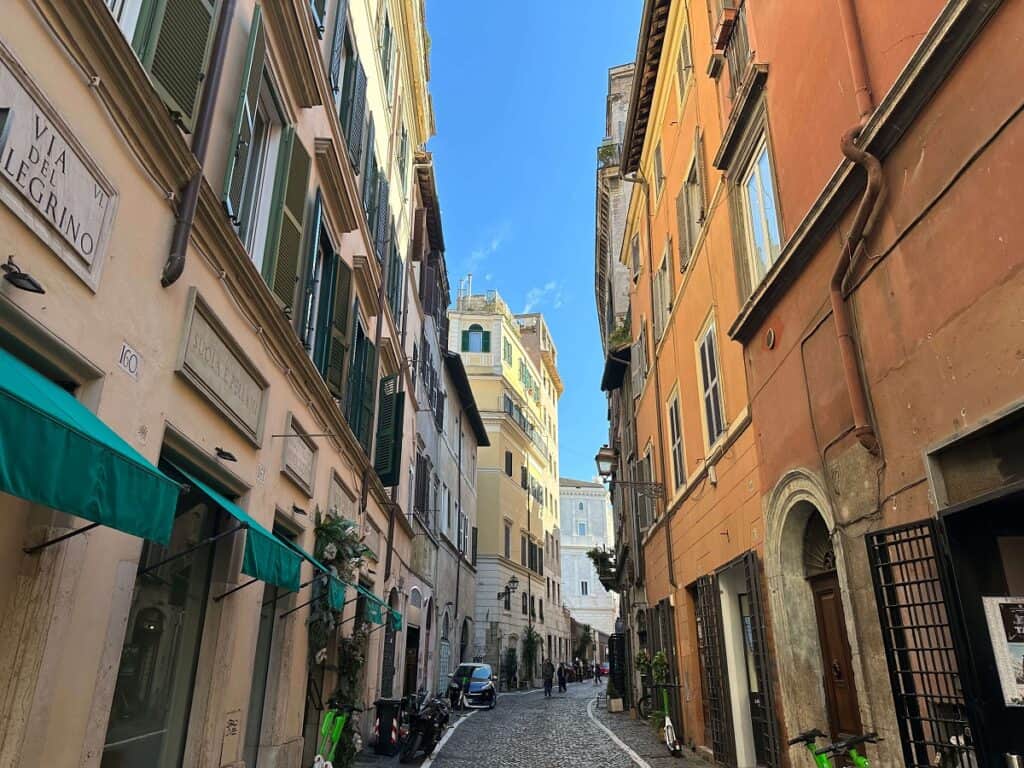
Tra botteghe artigiane, trattorie storiche e attività commerciali ricercate, la storia di Via del Pellegrino inizia già dalla seconda metà del Quattrocento. Questa, infatti, che ha da sempre accolto un pubblico eterogeneo, è stata fondata da Papa Sisto IV e deve il suo nome all’antica Locanda del Pellegrino, dove sostavano, appunto, i pellegrini diretti a San Pietro (all’epoca non c’era mica Corso Vittorio!). Oggi la via è al centro di un visionario progetto di rigenerazione e valorizzazione, che nasce con l’obiettivo di raccontarla attraverso laboratori e un programma multidisciplinare.

A Roma nasce Florea per la rigenerazione di Via del Pellegrino

L’iniziativa si chiama Florea, dall’antico nome di Via del Pellegrino, intitolata in un primo momento ai fioristi che la attraversavano sempre in direzione San Pietro: “su quel percorso, animato per tutto il giorno dal passaggio dei carri, si è innestato nei secoli il cammino dei pellegrini, trasformando la via in un passaggio denso di storia e di storie, di aneddoti, di arte e di manifatture. È qui che risiede l’anima più antica, viva e vivace del centro storico di Roma, quell’unione unica e irripetibile di umanità, sapienza artigiana e ospitalità inscritto nel Dna della Capitale”, racconta Federico Mondello, presidente della Rete d’Imprese.

Florea tra architettura e green design

Dall’architettura al green design, Florea vede la partecipazione di una serie di eccellenze romane coordinate da Thirtyonedesign di Claudia Campone, tra cui Natura e Architettura di Roberto Ortolani e FABERtechnica di Marco Frascarolo, con la partecipazione dell’agenzia creativa Bla Studio. Al centro del programma multidisciplinare che prenderà avvio da ottobre 2025, la rivitalizzazione di Via Sora, che collega Corso Vittorio Emanuele, Via del Pellegrino e Via dei Cappellari fino a Via del Governo Vecchio. In che modo? Con installazioni temporanee green, finalmente togliendo le auto in sosta e una nuova illuminazione IOT che permetterà di attivare il wi-fi attraverso i punti luce. Inoltre, verrà anche organizzata una tavolata sociale lungo tutta Via del Pellegrino, pensata per recuperare l’atmosfera originaria del percorso.

Florea e la prima mappa sensoriale di Roma

Ma non finisce qui. Florea intende anche realizzare la prima mappa sensoriale di Roma, costruendo cinque itinerari, uno per ogni senso: “Esistono mappe di monumenti, mappe enogastronomiche, mappe per lo shopping, mappe dei mestieri scomparsi. Non esiste ancora una mappa che, anziché censire i luoghi per categorie monotematiche, parta dai sensi e dia valore alle emozioni che suscitano”, spiegano dalla Rete d’Imprese. Un esempio? Una chiesa, un forno e una piazza possono essere legati dall’odorato: l’incenso, il pane e l’albero di fico.
Caterina Angelucci 

L’articolo "A Roma un gruppo di commercianti si allea per riqualificare un’antica strada del centro storico" è apparso per la prima volta su Artribune®.

Leer más

Pacifico Comunicaciones

PÁCIFICO COMUNICACIONES con más de 59 años de ministerio radial, difunde espacios culturales, musicales de entrevistas y noticias. Su elaboración y contenido están a cargo de profesionales especializados que nos permiten asegurar una amplia sintonía en todo el Perú.

  +Tel: (511) 7330967 - 7266850  

  +Cel: (+51) 945002522